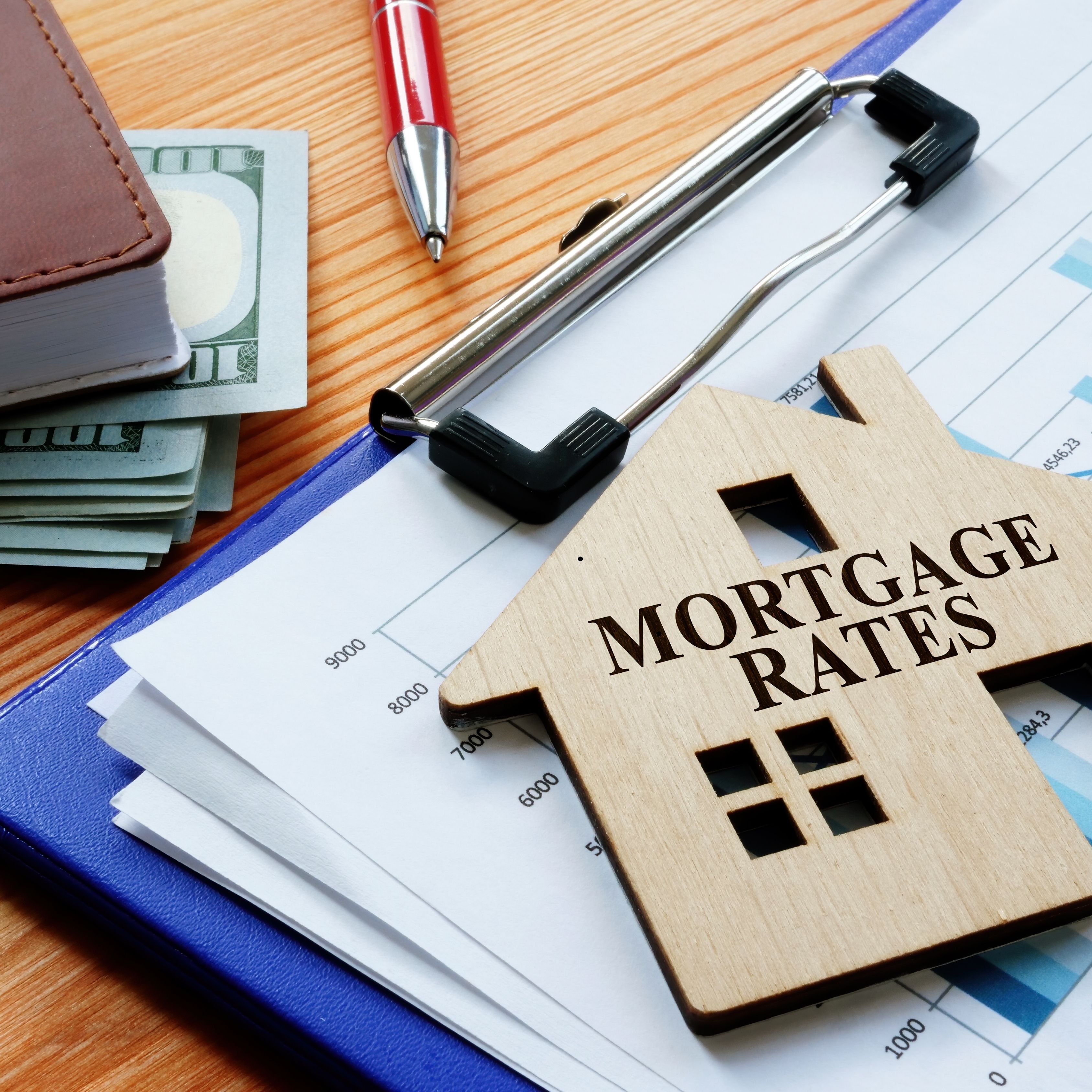
Mortgage Rates & Affordability in DFW: What Buyers Need to Know in 2026
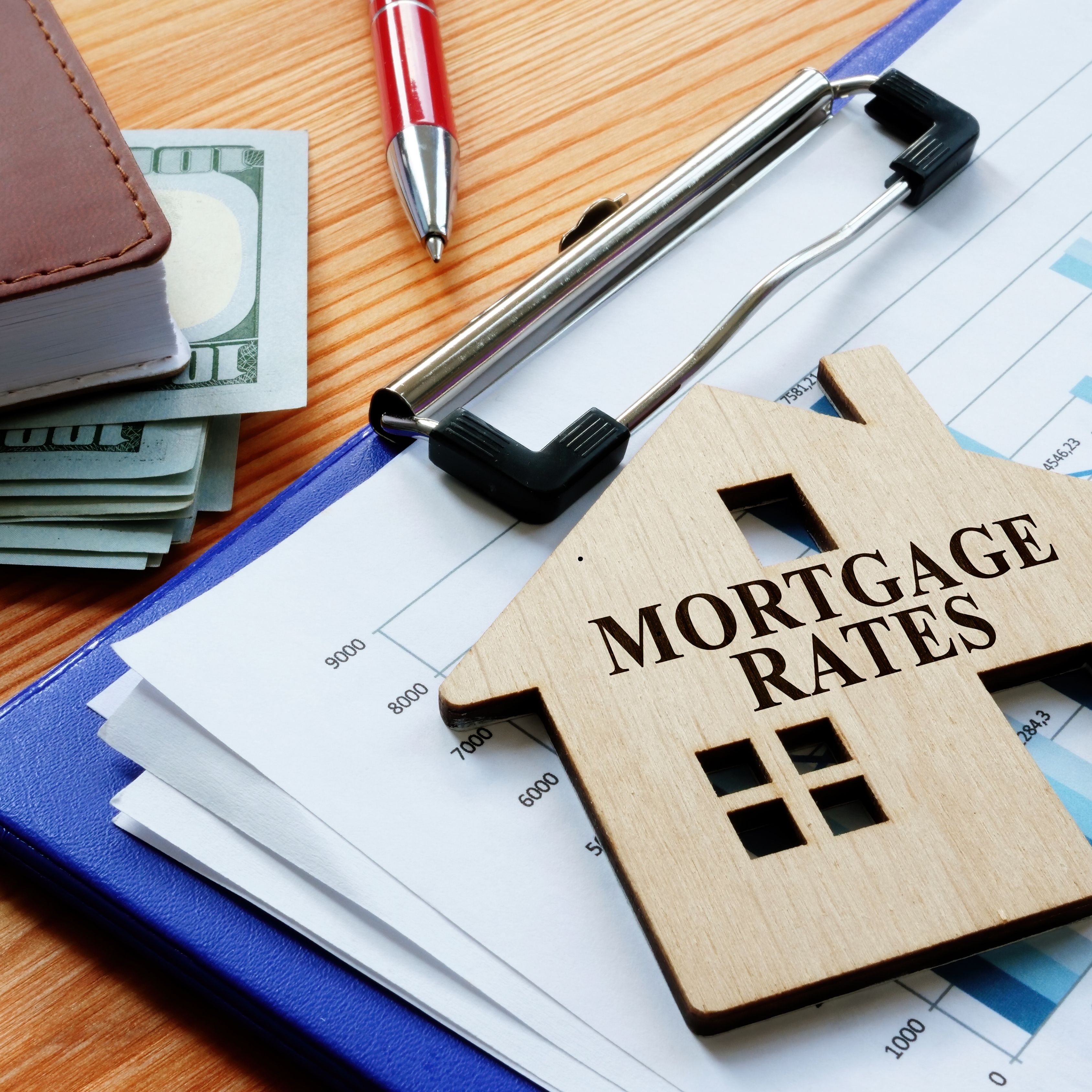
Mortgage rates are one of the biggest concerns for homebuyers across Dallas–Fort Worth right now.
The question many buyers are asking is simple:
“Can I still afford to buy a home in DFW with mortgage rates where they are?”
The answer depends on more than the interest rate alone. Your income, down payment, credit profile, debt, property taxes, insurance, HOA fees and the price of the home all affect what you can comfortably afford.
Here is what DFW buyers should know in August 2026.
Where Are Mortgage Rates Right Now?
According to Freddie Mac's Primary Mortgage Market Survey, the average 30-year fixed mortgage rate was 6.65% on August 20, 2026, while the average 15-year fixed rate was 5.95%. The 30-year rate has moved down slightly from 6.69% on August 6.
These are national averages, not guaranteed rates for every borrower. Your actual mortgage rate can vary based on factors such as credit history, loan type, down payment and lender.
For DFW buyers, however, the important issue is what that rate does to your monthly payment.
Why Mortgage Rates Matter So Much
Even a relatively small change in mortgage rates can affect how much a buyer pays each month.
For example, Freddie Mac's payment examples show that the principal-and-interest payment on a $300,000 30-year mortgage is approximately:
$1,896 at 6.5%
$1,996 at 7%
$2,098 at 7.5%
$2,201 at 8%
These figures are principal and interest only and do not include property taxes, homeowners insurance or HOA costs.
That is why buyers should think about their monthly housing budget, rather than focusing only on the purchase price.
What Does Affordability Look Like in DFW?
Texas buyers have another important expense to consider: the costs that come with owning the home beyond the mortgage.
Your actual monthly housing expense can include:
Mortgage principal + interest + property taxes + homeowners insurance + HOA + maintenance
Two homes with the same purchase price can therefore have very different monthly costs.
This is especially important when comparing communities throughout North Texas.
A $500,000 home in one DFW suburb may have a different total monthly cost than a $500,000 home somewhere else because taxes, insurance and HOA expenses can vary.
The DFW Market Gives Buyers More Choice
The good news is that buyers today have more options than they did during the highly competitive pandemic-era market.
MetroTex reported that July 2026 DFW single-family inventory reached 4.5 months, with 32,677 active listings. The median sales price was approximately $400,000, down 1% from the prior year. MetroTex describes the market as becoming more balanced, giving buyers more choices while requiring sellers to be more strategic.
The Texas Real Estate Research Center similarly reports that Texas buyers are adapting to higher mortgage rates, while improving inventory is providing greater choice. Its August 2026 report says Dallas–Fort Worth is moving closer toward stabilization after an extended period of softer price conditions.
That combination can create opportunities for buyers who are financially prepared.
Should You Wait for Mortgage Rates to Fall?
This is one of the biggest questions buyers are asking.
Waiting for lower rates can make sense in some situations, particularly when your current budget does not comfortably support the homes you are considering.
But there is no guarantee that rates will fall to a specific level—or when that might happen.
There is also a second side to the equation.
If mortgage rates fall significantly, more buyers could potentially return to the market. That could increase competition for desirable homes.
Instead of trying to predict the perfect future rate, consider whether the home and payment you can get today make sense for your financial situation.
How Much House Can You Actually Afford?
A lender can determine how much you may qualify to borrow, but your maximum approval amount should not automatically become your target purchase price.
A healthier approach is to determine a monthly payment that fits comfortably within your budget.
Start by looking at:
Household income
How much reliable income do you have each month?
Monthly debt
Credit cards, student loans, car payments and other obligations affect your available budget.
Down payment
A larger down payment can reduce the amount you need to borrow, although buyers should also maintain appropriate cash reserves.
Taxes and insurance
These expenses can materially affect the total monthly payment.
HOA fees
Many DFW communities have HOA fees that should be included in the calculation.
Emergency savings
Buying a home should not leave you without cash reserves for unexpected expenses.
Credit Score Matters
Your credit profile can influence the mortgage terms available to you.
Before applying for a mortgage, it can be helpful to review your credit reports, pay bills on time, reduce unnecessary debt and avoid taking on major new debt immediately before applying.
Different lenders and loan programs have different requirements, so it is important to compare your available options rather than assuming one lender's terms are representative of the entire market.
Shop Around for Your Mortgage
Mortgage rates can vary between lenders.
Freddie Mac notes that when rates are higher, shopping around can potentially save borrowers money. Its research has estimated that borrowers who compare multiple mortgage offers can potentially save hundreds to more than a thousand dollars annually, depending on market conditions and borrower circumstances.
That means buyers should not necessarily accept the first mortgage quote they receive.
Compare the:
Interest rate
Annual percentage rate (APR)
Loan fees
Closing costs
Points
Lender credits
Monthly payment
Loan terms
The lowest advertised rate is not always the lowest overall cost.
What About Mortgage Rate Buydowns?
Some sellers and builders may offer incentives that reduce a buyer's interest rate for a period of time or help offset closing costs.
This can make a meaningful difference to a buyer's upfront or monthly expenses.
However, buyers should compare the full financial value of the incentive against the purchase price and all other loan costs.
A lower rate does not necessarily mean the overall transaction is cheaper.
New Construction Can Be Worth Comparing
DFW has a large new-construction market, making builder incentives another affordability factor buyers should investigate.
A builder may offer incentives such as closing-cost assistance or financing promotions. The value of these incentives should be compared with the home's price, upgrades, HOA fees, taxes and other expenses.
That is why today's buyer should look at both:
New construction
and
Resale homes
rather than assuming one option is automatically more affordable.
A $500,000 Home Does Not Cost Everyone the Same
Imagine two buyers purchasing homes for the same price.
Buyer A has:
A larger down payment
Excellent credit
Lower monthly debt
Lower HOA costs
Buyer B has:
A smaller down payment
Higher monthly debt
Higher insurance costs
Higher HOA costs
Even though both homes cost $500,000, their actual monthly budgets could be very different.
That's why “How much can I afford?” is a personal question.
The Best Question Isn't “When Will Rates Drop?”
It is understandable to watch mortgage rates every week.
But successful homebuyers should consider a bigger picture:
Can I comfortably afford this home today?
If the answer is yes, and the home meets your needs, buying may make sense even when rates are not at historical lows.
If the payment would put significant pressure on your finances, waiting may be the better choice.
There is no one mortgage rate that makes buying right for everyone.
What DFW Buyers Should Do Next
Before making an offer, determine your comfortable monthly payment, get pre-approved, compare mortgage options and evaluate the complete cost of ownership.
Then compare homes based on both price and monthly affordability.
The current DFW market offers buyers more inventory and choice than the extreme seller's market of several years ago, while mortgage rates remain an important affordability constraint.
The goal is not simply to find the lowest possible mortgage rate.
The goal is to find a home you can afford comfortably and confidently.
Ready to Understand Your DFW Buying Power?
Whether you are considering a home in Frisco, Prosper, Celina, McKinney, Plano, Allen, Little Elm, Aubrey, Argyle or another North Texas community, understanding your true purchasing power can help you make a smarter decision.
Assal Aldrei
📞 (214) 235-9535
✉️ [email protected]
Contact me to discuss your home-buying goals, the DFW market and what your options may look like at today's mortgage rates.