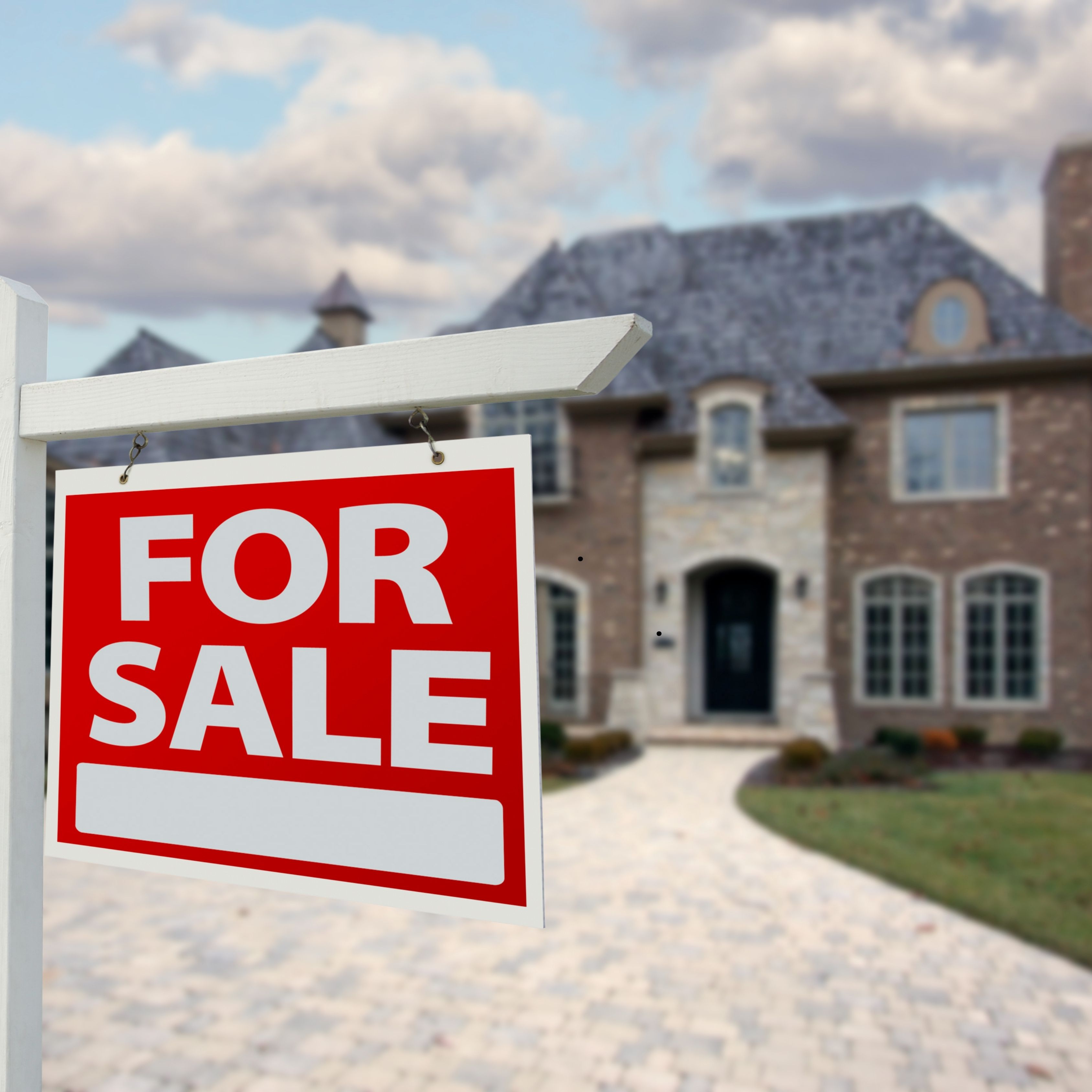
Why Isn't My House Selling? 8 Reasons DFW Homes Are Sitting on the Market in 2026
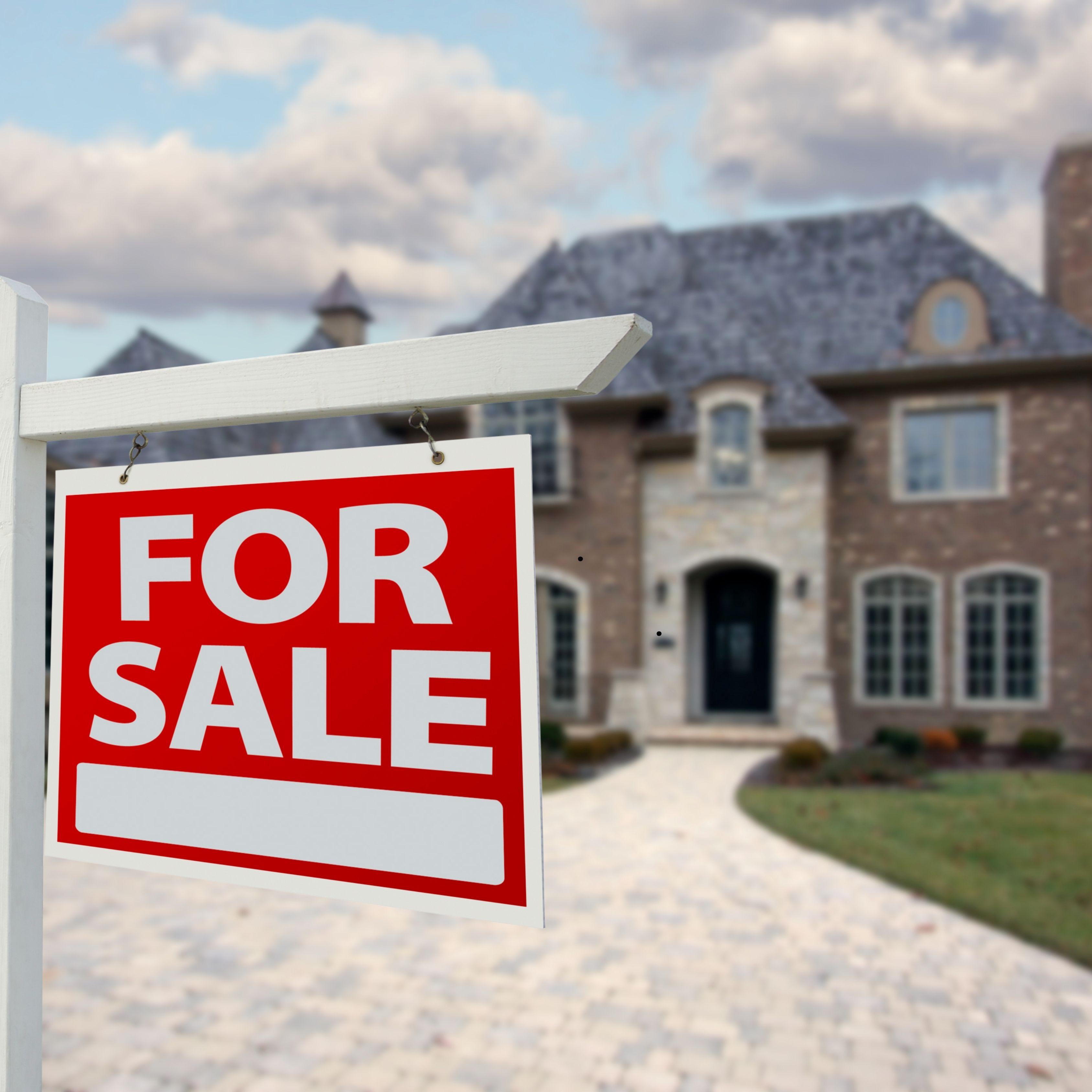
Why Isn't My House Selling? 8 Reasons DFW Homes Are Sitting on the Market in 2026
You listed your home, cleaned everything up, took professional photos, put the sign in the yard—and then waited.
And waited.
If your DFW home isn't getting offers, you may be wondering:
“Why isn't my house selling?”
The good news is that a home sitting on the market doesn't necessarily mean something is seriously wrong with the property. In today's Dallas–Fort Worth market, buyers have become more selective, and pricing, presentation, condition and marketing all matter.
The latest DFW data show why sellers need to be strategic. In July 2026, the median DFW list price was about $439,000, median days on market were 54 days, and 28.3% of DFW listings had a price reduction. Active listings were down 6.5% from a year earlier, while homes were taking slightly longer to sell.
So why might your house still be sitting?
1. Your Home May Be Priced Too High
This is one of the most common reasons a home doesn't sell.
You may believe your home is worth a certain amount because:
You have invested a lot of money into it.
Your neighbor sold for a high price.
You bought it several years ago at a lower price.
You need a certain amount from the sale.
An online estimate showed a higher value.
But buyers don't determine value based on how much you need to make.
They compare your home with the other homes they can buy right now.
In July 2026, 28.3% of DFW listings had a price reduction, significantly above the national rate of 20%. That is a strong signal that pricing correctly from the beginning matters.
Ask yourself:
How does my home's price compare with similar homes that are currently for sale—not just homes that sold months ago?
That comparison can tell you much more than an automated home-value estimate.
2. Your Home May Be Competing With New Construction
This is particularly important in North Texas.
Buyers may be comparing your resale home with a brand-new house from a builder that offers:
Closing-cost incentives
Mortgage-rate buydowns
Upgrades
New appliances
Warranty coverage
Modern floor plans
If a buyer can purchase a new home for a similar price, your resale property needs to offer a compelling reason to choose it.
That could be:
A better location.
A larger lot.
Mature landscaping.
A desirable established neighborhood.
Lower HOA costs.
A better floor plan.
A lower overall monthly cost.
The question isn't simply whether your house is “nice.”
It's:
Why should a buyer choose your house instead of the alternatives?
3. Your Listing Photos Aren't Getting Buyers Through the Door
Buyers often decide which homes to investigate before they ever see them in person.
Poor or outdated photography can make an otherwise attractive home look dark, small or dated.
Common problems include:
Dark rooms
Cluttered spaces
Personal items everywhere
Poor exterior photos
Too few photos
Photos taken from unhelpful angles
Outdated listing photos
Photos that don't showcase the property's best features
Your listing needs to create enough interest for a buyer to take the next step.
And remember: the first showing often happens online.
4. Your Home Needs a Little Preparation
You don't necessarily need a major renovation before selling.
But visible problems can make buyers wonder what else might be wrong.
Before listing—or if your home has been sitting—look at:
Paint
Are the walls heavily marked or overly personalized?
Lighting
Are rooms bright and welcoming?
Landscaping
Does the exterior make a strong first impression?
Cleanliness
Does the home look professionally cleaned?
Repairs
Are there obvious items you've been putting off?
Decluttering
Does each room feel spacious?
Sometimes relatively simple improvements can make a home feel much more market-ready.
5. Buyers Are Seeing the House, But They're Not Making Offers
This is an important distinction.
If you are getting showings but no offers, the problem may not be marketing.
It may be value.
Buyers may like the home but conclude:
“I don't think this house is worth that price.”
That can happen when buyers see:
A price higher than comparable homes
Significant deferred maintenance
Expensive upgrades that don't appeal to everyone
High HOA costs
High property taxes
A less desirable location
An awkward floor plan
If multiple buyers visit and none make an offer, that feedback deserves attention.
6. Your Home May Be Losing on the Monthly Payment
Today's buyers are highly sensitive to affordability.
They aren't only asking:
“What is the purchase price?”
They're asking:
“What will this cost me every month?”
That includes:
Mortgage + property taxes + homeowners insurance + HOA fees
A house that looks reasonably priced can become less competitive if its total monthly cost is substantially higher than comparable homes.
Texas Real Estate Research Center reports that buyers are continuing to adapt to higher mortgage rates and affordability constraints, making the overall cost of ownership especially important.
7. Your Marketing May Not Be Reaching the Right Buyer
Not every home is going to appeal to every buyer.
A luxury home needs different marketing from a first-time buyer home.
A home near major employment centers may appeal strongly to one audience.
A large suburban property with multiple bedrooms may appeal to another.
Your marketing should make it clear who the home is for and why the property is attractive.
That can include emphasizing:
Location
School attendance zone
Commute access
Home office space
Pool
Large backyard
New roof
Updated kitchen
Energy-efficiency improvements
Nearby amenities
New construction community comparisons
The goal isn't simply to get more views.
The goal is to get the right buyers through the door.
8. You May Be Waiting Too Long to Make a Change
This is one of the biggest mistakes sellers can make.
A listing can lose momentum when it sits on the market for an extended period.
Buyers may start asking:
“What's wrong with it?”
“Why hasn't anyone bought it?”
“How much negotiating room is there?”
The latest Texas housing data show that homes sold in June averaged 62 days on market statewide, while homes that remained unsold at the end of the month had averaged 90 days on market. The median seller price cut statewide was $12,000, or 3.3% of the initial listing price.
That doesn't mean every DFW home should be reduced after a specific number of days.
It does mean sellers should monitor the listing closely and respond to market feedback rather than letting a home sit indefinitely.
How Do You Know What Needs to Change?
Look at what is happening during showings.
If you're getting very few showings:
The likely issue may be:
Price, photos, marketing or online presentation.
If you're getting showings but no offers:
The likely issue may be:
Price, condition, layout or perceived value.
If buyers are making offers far below asking:
The market may be telling you that your price is too high.
If buyers repeatedly mention the same problem:
Listen to the pattern.
One buyer's opinion may not mean much.
Several buyers saying the same thing can be valuable market feedback.
Should You Lower the Price?
Not necessarily.
Sometimes the better solution is to improve the property's presentation.
For example:
Better photography + decluttering + landscaping + strategic pricing
may accomplish more than simply cutting the price.
In other situations, the price really is the problem.
The goal is not to make the biggest price reduction.
The goal is to make the smallest necessary adjustment that makes the home competitive.
Should You Offer Buyer Concessions Instead?
This can be another option.
Depending on the transaction and loan program, a seller may be able to offer eligible concessions that help with certain buyer closing costs or other permitted expenses.
For some buyers, help with closing costs or a mortgage-rate buydown may be more valuable than a modest reduction in the purchase price.
The right strategy depends on the buyer pool and the competing homes in your market.
What Should You Do If Your DFW Home Has Been Sitting?
Before making a decision, review five things:
1. Price
Are you priced competitively against today's comparable listings?
2. Presentation
Would a buyer see the home as move-in ready?
3. Photos
Does your online listing look as good as the actual property?
4. Feedback
What are buyers and agents repeatedly saying?
5. Competition
What new listings and price reductions have appeared since your home went on the market?
This last point is especially important.
Your competition can change every week.
A Changing DFW Market Requires a Better Strategy
DFW is not experiencing the same housing conditions as the peak seller's market of several years ago.
At the same time, it is also not accurate to assume that every DFW home is difficult to sell.
The latest research indicates that DFW is moving toward greater market stability, with price weakness moderating while buyers continue to adapt to mortgage rates and affordability constraints.
Realtor.com also reports that DFW's active inventory was actually 6.5% lower than a year earlier in July 2026, while median list prices were nearly unchanged.
That means the market isn't simply a story of “nobody is buying.”
Buyers are still buying—but they are paying close attention to value.
The Bottom Line: Why Isn't My House Selling?
If your DFW home isn't selling, the answer is often not one single problem.
It could be:
The price.
The presentation.
The condition.
The marketing.
The competition.
The monthly cost.
Or a combination of several factors.
The most important thing is to identify the problem early and make a strategic adjustment.
Don't ask only, “Why hasn't my house sold?”
Ask:
“What is the market telling me, and what can I change to make my home the obvious choice?”
Thinking About Selling Your DFW Home?
If your home has been sitting on the market—or you're thinking about listing soon—getting the pricing and marketing strategy right from the beginning can make a major difference.
I can help you evaluate your home's competition, pricing, presentation and selling strategy based on current DFW market conditions.
Assal Aldrei
📞 (214) 235-9535
✉️ [email protected]
Wondering why your house isn't selling? Let's look at the numbers and find out what may be holding it back.